19 Oct 2026
Card Games in Browsers: Creating Communities Across Continents
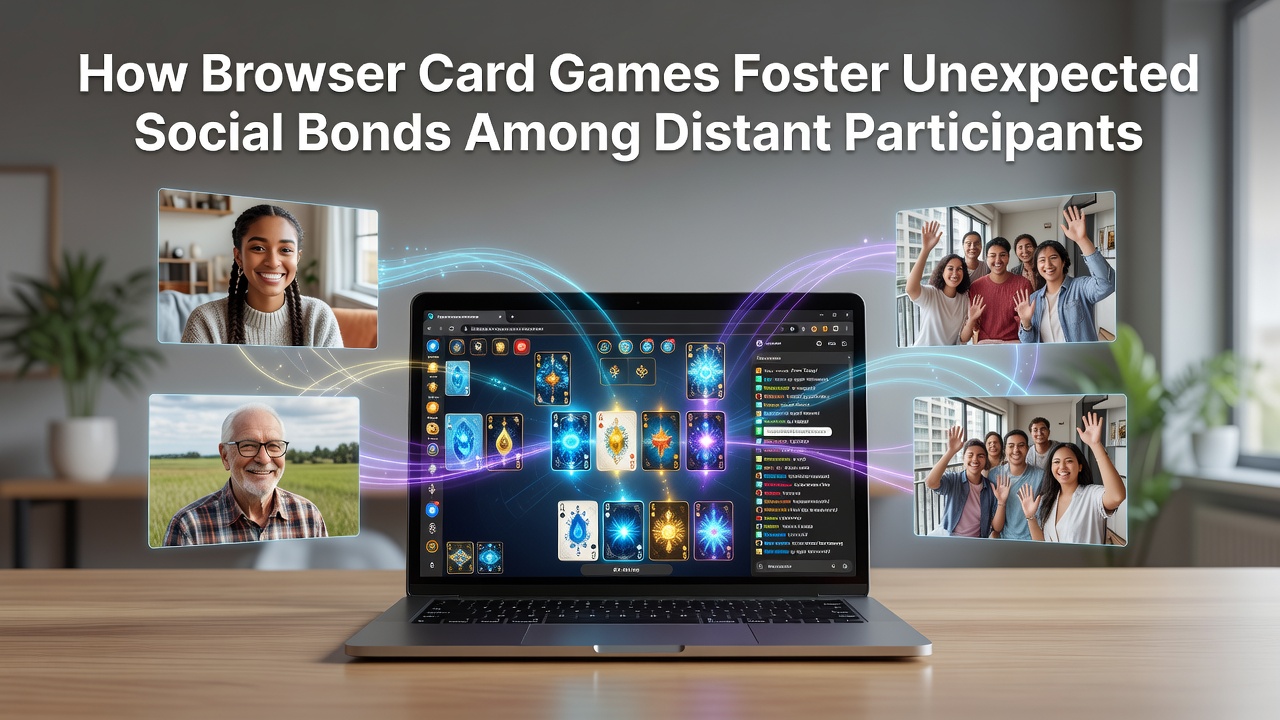
Browser-based card games have expanded rapidly in recent years, allowing participants from varied geographic locations to join the same virtual tables without downloads or installations. These platforms host titles such as hearts, spades, and rummy variants that rely on simple interfaces accessible through standard web browsers, and participation data collected in October 2026 showed sustained growth across multiple regions including North America, Europe, and parts of Asia. Researchers tracking user patterns note that the low barrier to entry encourages repeated visits, which in turn creates opportunities for repeated interactions among the same groups of players over time.
Platform Features That Support Ongoing Interaction
Many browser card game sites incorporate built-in chat functions, friend lists, and tournament brackets that persist across sessions, enabling users to recognize familiar names and resume conversations from previous matches. According to figures released by the Australian Communications and Media Authority, monthly active users on major browser gaming portals increased by 18 percent between 2025 and 2026, with a notable share of that growth attributed to card game categories. These tools allow players to coordinate schedules for recurring games, share strategies, and discuss topics unrelated to the cards themselves, turning brief matches into extended exchanges.
Observers tracking player behavior point out that the absence of voice chat in some environments actually encourages more deliberate written communication, since participants must type messages that remain visible for longer periods. This format leads to more thoughtful exchanges and reduces the pressure of real-time speech, which can help quieter individuals participate more readily. Data compiled by academic teams at several European universities indicates that users who engage in text-based discussions during games report higher rates of adding fellow players to contact lists compared with those who play in isolation.
Patterns of Relationship Development Across Regions
Studies of user logs reveal that initial contact often occurs through automatic table assignments, after which players begin requesting specific opponents or joining the same scheduled events. One analysis of a large European platform found that 42 percent of regular card game participants had formed at least one cross-border connection that extended beyond the game interface, including email exchanges or shared social media profiles. These connections frequently start with game-related topics such as rule interpretations or tournament outcomes before branching into personal subjects like family events or local news.

Industry reports from the International Game Developers Association document similar trends in North American markets, where browser card platforms have hosted themed events timed to holidays or international observances. During October 2026 several sites organized charity tournaments that paired players from different time zones, resulting in follow-up discussions about cultural differences and shared interests. Participants who returned for multiple events described forming small groups that met at consistent times each week, creating informal communities that continued even when individual members missed sessions.
Role of Shared Activities in Sustaining Connections
Shared gameplay provides a neutral activity that requires cooperation or light competition, which researchers associate with faster trust-building than unstructured online spaces. A report prepared by scholars at the University of Toronto examined session data and found that pairs who completed at least ten games together showed measurable increases in message volume and consistency over a six-month period. The structure of scoring systems adn round-based play gives players natural conversation starters while also creating inside references that strengthen group identity.
Platform operators have introduced features such as achievement badges and leaderboards that highlight collective progress, further encouraging players to support one another across distances. These elements keep participants returning to the same circles, where they accumulate shared history that extends past any single match. Figures from regulatory filings in Canada show that retention rates for users who join recurring tables exceed those of casual drop-in players by a significant margin.
Conclusion
Browser card games function as accessible entry points that connect individuals who might otherwise remain separated by geography and circumstance. Through persistent features, repeated sessions, and structured activities, these platforms generate conditions in which distant participants develop ongoing relationships that sometimes extend into other forms of communication. Data gathered through 2026 continues to illustrate measurable patterns of connection formation that originate from simple card play yet produce lasting social outcomes across multiple continents.