5 Oct 2026
Charting Participant Origins in Browser-Based Card Game Ecosystems

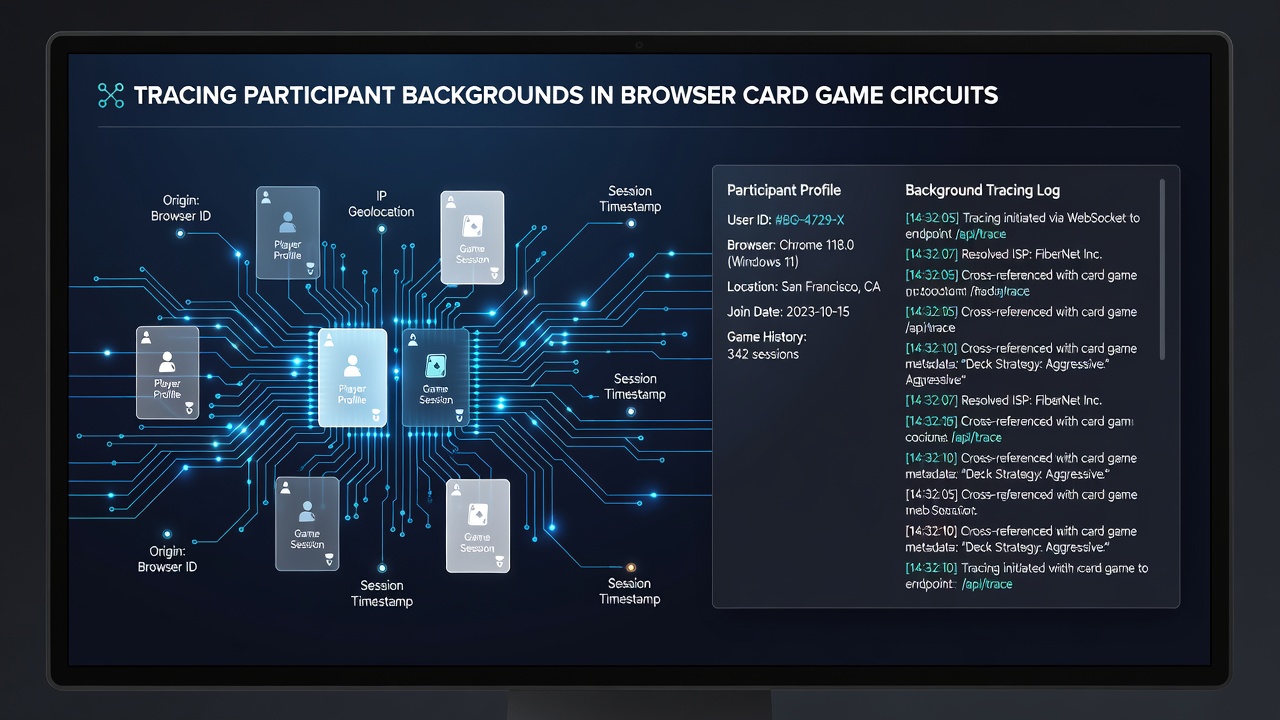
Tracing participant backgrounds in browser card game circuits involves systematic collection of data points that reveal user locations, device configurations, and behavioral histories across digital platforms, and operators employ these techniques to verify identities while complying with regional regulations. Data from multiple sources shows that browser fingerprinting combined with IP logging and account linkage forms the core of these processes, allowing platforms to map participant origins without requiring extensive personal disclosures upfront.
Core Mechanisms Behind Background Tracing
Browser card game circuits rely on a combination of client-side scripts and server-side logging to capture details such as operating system versions, screen resolutions, installed fonts, and time zone settings, which together create unique identifiers for recurring users. Research indicates that these fingerprints persist across sessions even when users clear cookies, and developers integrate them with geolocation data pulled from IP addresses to establish regional patterns of participation. Studies from academic institutions have documented how these methods distinguish between casual players and those using proxy services or VPNs, because mismatched time zones and language settings often flag potential circumvention attempts.
Data Integration Across Sessions
Operators merge initial sign-up information with ongoing activity logs to build comprehensive profiles, and this process accelerates when participants link external accounts or complete verification steps required by payment processors. Figures from industry reports reveal that over 70 percent of browser-based card game platforms now incorporate device telemetry alongside transaction records, creating timelines that stretch back months or years. What's interesting here is how these integrated datasets allow for pattern recognition, such as clusters of accounts sharing similar hardware signatures yet operating from distant geographic zones.
Regional Regulatory Influences on Tracing Practices
Rules vary significantly by jurisdiction, with the Australian Communications and Media Authority requiring operators to maintain detailed records of player origins for anti-money laundering compliance, whereas Canadian provincial frameworks emphasize consent-based data collection tied to specific gaming licenses. Observers note that platforms adjust their tracing depth accordingly, sometimes limiting fingerprinting in regions with stricter privacy statutes while expanding it elsewhere to meet local verification standards. A report published by the European Gaming and Betting Association outlines how cross-border operators synchronize these approaches through centralized databases that flag anomalies without breaching individual data protection rules.
October 2026 marks the scheduled rollout of updated interoperability guidelines among several Asia-Pacific regulators, which will require standardized reporting of participant background metrics for any browser card game circuit operating across member states. Those guidelines build on existing practices yet introduce mandatory audit trails for fingerprint data retention periods.
Technical Challenges and Evolving Countermeasures
Participants sometimes deploy browser extensions or virtual machines to mask their true configurations, and tracing systems must therefore incorporate behavioral analytics such as mouse movement patterns and decision timing to supplement static identifiers. Data indicates that machine learning models trained on historical session data achieve higher accuracy in re-identifying users who attempt to rotate devices frequently. Experts at research institutions have observed that these adaptive models reduce false positives while maintaining detection rates above 85 percent in controlled tests conducted over multi-month periods.
Take one documented case where analysts cross-referenced transaction timestamps with known tournament schedules, revealing coordinated activity from shared network segments despite varied device fingerprints. Such correlations strengthen the overall tracing framework without relying solely on any single data category.
Privacy Implications and Industry Responses
Balancing background tracing with user privacy requires ongoing adjustments, particularly as browser vendors introduce enhanced tracking protections that limit access to certain hardware details. Platforms respond by shifting emphasis toward consented data sharing during account creation and by anonymizing aggregated datasets used for trend analysis. Reports from government agencies in multiple regions confirm that transparent disclosure of tracing methods correlates with higher user retention rates over time.
Future Developments in Tracing Accuracy
Emerging standards around WebGPU and enhanced canvas rendering may provide additional fingerprinting vectors, yet they also prompt renewed focus on user notification protocols. Researchers continue to evaluate how these technical shifts affect the reliability of origin mapping in browser card game circuits, especially as participation volumes increase through mobile browser access.
Conclusion
Tracing participant backgrounds in browser card game circuits continues to evolve through layered technical and regulatory mechanisms that prioritize verification alongside compliance. Data shows sustained investment in adaptive analytics and cross-jurisdictional coordination will shape practices well into the coming years, with October 2026 serving as a notable milestone for standardized reporting frameworks across participating regions.